Parasocial Relationships Within Kpop/Fandoms in Both Domestic and Global Contexts

Introduction

Parasocial relationships are often defined by the psychological relationship felt by fans towards celebrities, performers, and idols, etc. Parasocial relationships and interactions can lend to both positive and negative outcomes.

While parasocial relationships have existed for decades, the rise of social media has intensified their presence, especially within Kpop fandoms. The dangers of parasocial relationships within Kpop and Kpop fandoms are multifaceted: involving worrisome trends of obsessive fan behavior, the erosion of personal boundaries between fans and idols, mental health issues, unrealistic standards and expectations, and, in some cases, instances of stalking and harassment. With parasocial relationships rising with the influx and perpetuation of fan communities within social media websites and the like, occurrences of negative consequences for both the fans and the idols they idolize could be evergrowing.

The Birth of Kpop and the Fans That Followed

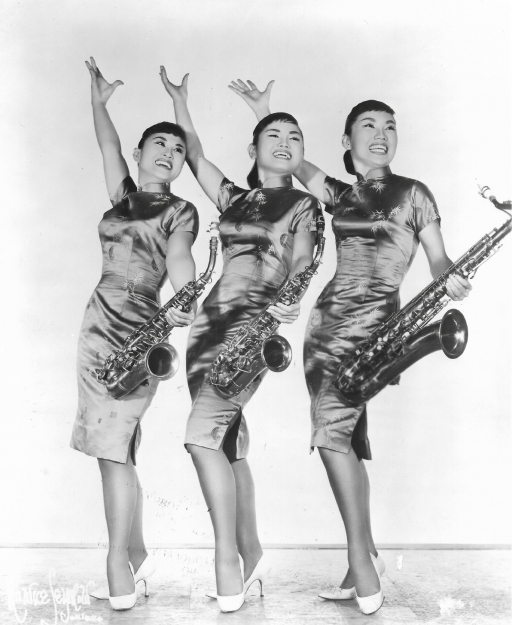
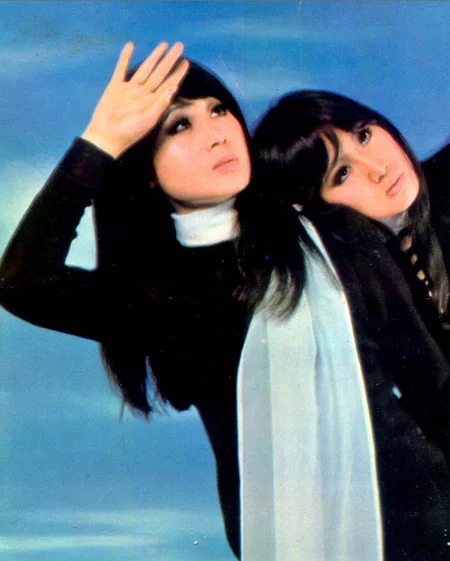
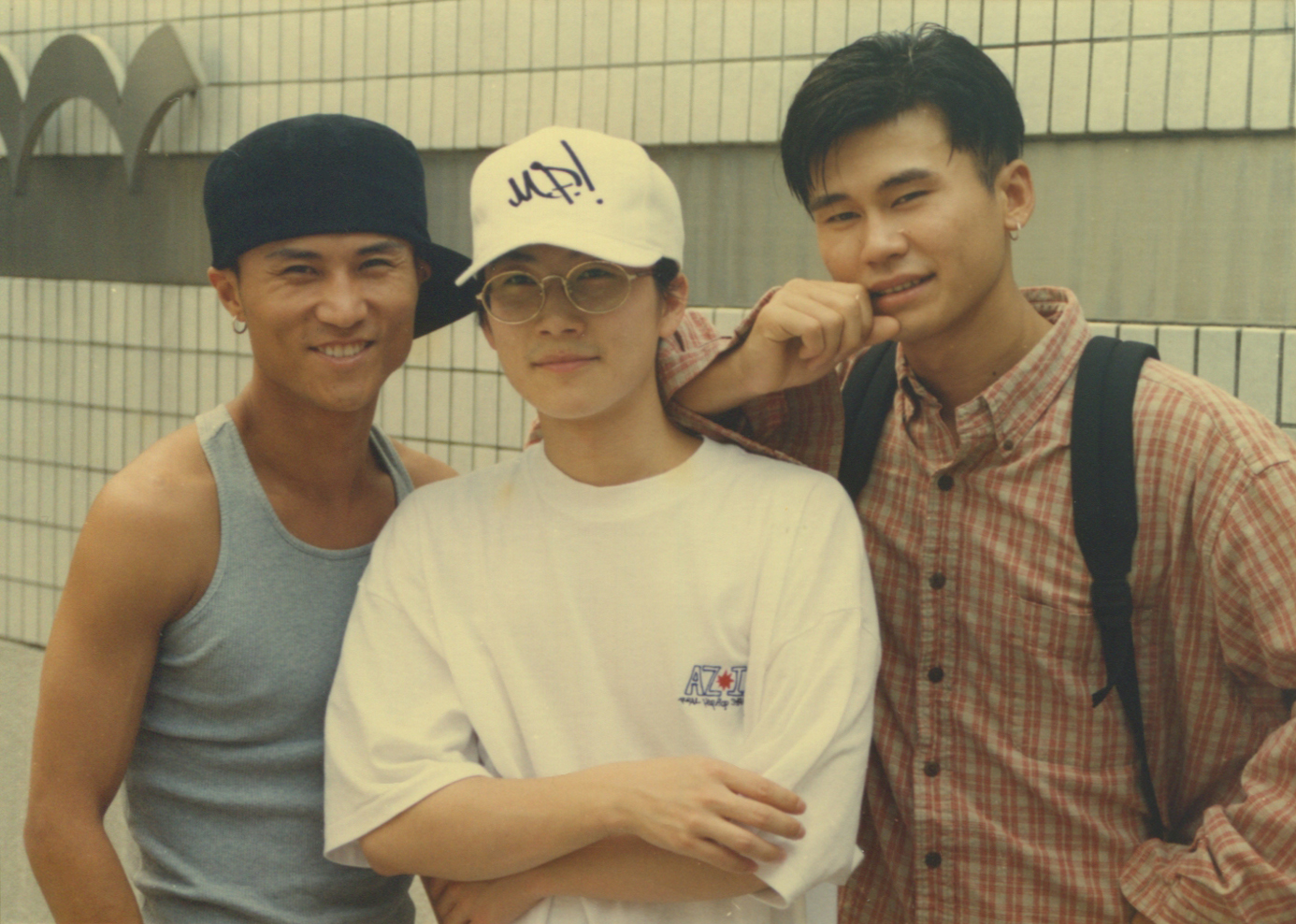
Although musical acts like the Kim SistersThe Kim Sisters and the Pearl SistersThe Pearl Sisters can be attributed to the emergence of Korean popular music, Seo Taiji and Boys are credited with the creation of modern Kpop.

Seo Taiji and Boys debuted in 1992 with the track ‘I Know’/‘난 알아요’; although the song received negative reviews from music critics, it was met with great success and praise from Korean youths. By incorporating hip hop, rap and breakdancing with a unique Korean sound, Seo Taiji and Boys set themselves apart from the crowd and developed the beginnings of modern Kpop as we know it1 Their success and popularity increased fan presence and culture in South Korea, with companies targeting teenaged markets as a result 2.

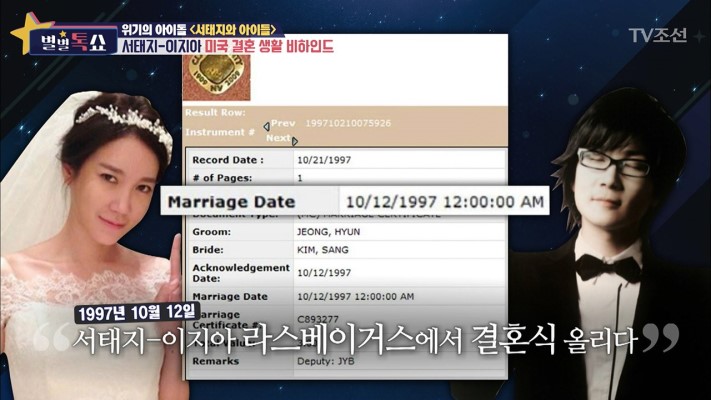
Although Seo Taiji largely kept his music production and personal life privateSeo Taiji Lee Jiah secret marriage , this contributed to growing interests in the group and in Seo, himself2. The group’s retirement only five years later spurred an outcry that led to fans camping outside of Seo’s homeSeo Taiji fans and gave insight to the future of fan culture in South Korea3. Following their disbandment, member Yang Hyunsuk founded Y.G. Entertainment, popular boy groups like H.O.T (from SM Entertainment, founded a year prior) debuted with teenage girls in mind, and Park Jinyoung founded JYP Entertainment the following year, leading to the formation of what is known as the ‘Big 3’.

Fan Culture: Origins and Evolution

Fan culture itself has existed for years, with the first known usage of the word fandom being in 1903 4.

Fandom is used as an umbrella term for fan culture, a subculture and communities, comprised of fans where they can share instances, memories and moments, experiences and the like in regards to their idols. Originally, fandom was used to describe fans of sports4 but had later developed to encompass the entirety of fans and fan culture. The conception of the modern usage of fandom and the culture that came with it, began in 1960 with Star Trek fans5 .

With the introduction of the internet 13 years later, fandom and fan culture evolved into something more, allowing for the unity of fans all over the world. The existence of fandoms and fan culture itself allows for events like forums, conventions, meetups and even instances of activism, where they can come together and share their love for their mutual interests through differing mediums.

The Workings of Parasocial Interactions

Perceptions of celebrities through television, live videos on social media and interactions with fans can often create a sense of camaraderie between fan and idol.

Parasocial relationships can present in three forms/stages: entertainment-social, intense-personal, and borderline-pathological67 .

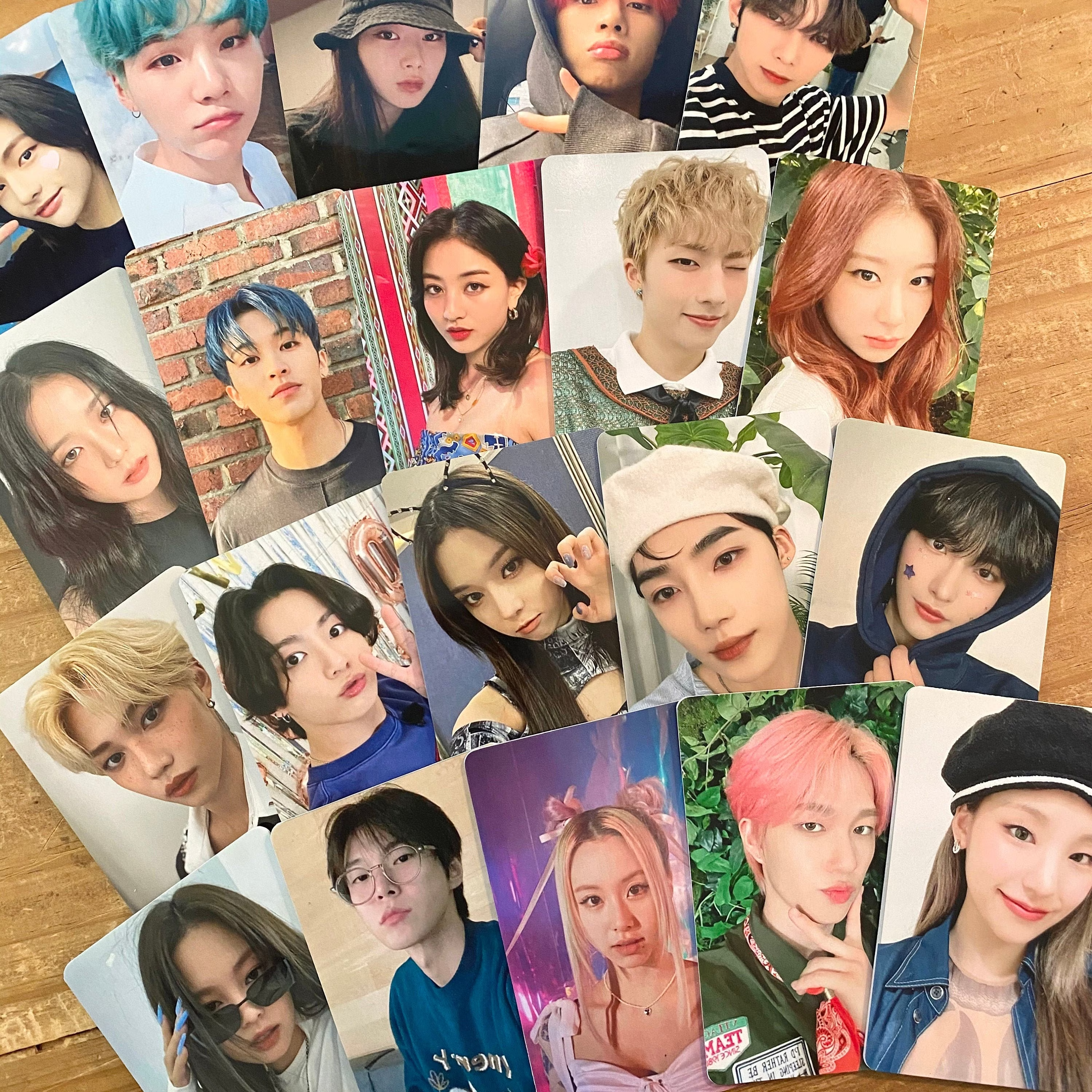
Entertainment-social represent a majority of fans, described as viewing celebrities as a mere source of entertainment that provide topics of discussion amongst friends and fans. Intense-personal represents an elevated level, where the fan may view the celebrity as a romantic partner or as their soulmate, and show an intense interest in a celebrity’s personal life. Intense-personal parasocial relationships are common amongst teenagers7 , but it can be assumed that this stage and the following are moreso commonplace amongst Kpop fans. Borderline-pathological is the final and most severe stage of parasocial relationships. Those that fall into this category show obsessive behaviors towards celebrities, having fanatical fantasies about them, often spending beyond their means in an effort to obtain celebrity merchandise and collectiblesphotocards , and going as far as stalking the celebrity or possibly causing physical/mental harm. The fan may even have the belief that meeting the celebrity would benefit them, and actualize a romantic relationship between the two7.


Kpop itself shows an interesting phenomena of parasocial interactions between fan and idol, which can be majorly attributed to the ‘manufactured’ image and behaviors that idols are said to have. While the veracity of that claim is often argued, the fact remains that Kpop idols tend to show a different persona than that of western celebrities. Kpop idols engage in activities like fansigns, meet and greets (or fanmeets), planned-out Youtube vlogs, Instagram lives, live streams and shows on Vlive (now defunct), amongst others. This culture of social interaction among fan and idol creates the sense of knowing them, almost to the level of a personal friend or romantic interest; especially when one considers the age many idols have debuted at which lends to the feeling of “growing up together” as seen in ‘Transnational Fandom in the Making…’, where it is stated, “"Several fans, who had been dedicated to K-pop for a relatively long period, commented on how they had grown up alongside their favorite idols.”8

The image idols present also lend to their popularity and loyalty amongst fans, creating ‘stans’ (stalker fans, a term coined from Eminem’s “Stan”), ‘all-fans’ and ‘akgaes/악개’, all of which exhibit parasocial behaviors wavering between intense-personal and borderline-pathological stages. All this considered, it allows for a sort of ‘self-insert’ situation: where fans are given the ability to tokenize idols and live vicariously through idols, treating their successes as their own or as if they are responsible for them (in an, ‘I own you’ sense). It completely— or nearly so— removes the boundary that is typically present in relationships and interactions between fans and western celebrities.

Kpop Online

The internet made waves amongst fandoms and fan cultures, but social media completely changed the way fans interact with their proposed idols.

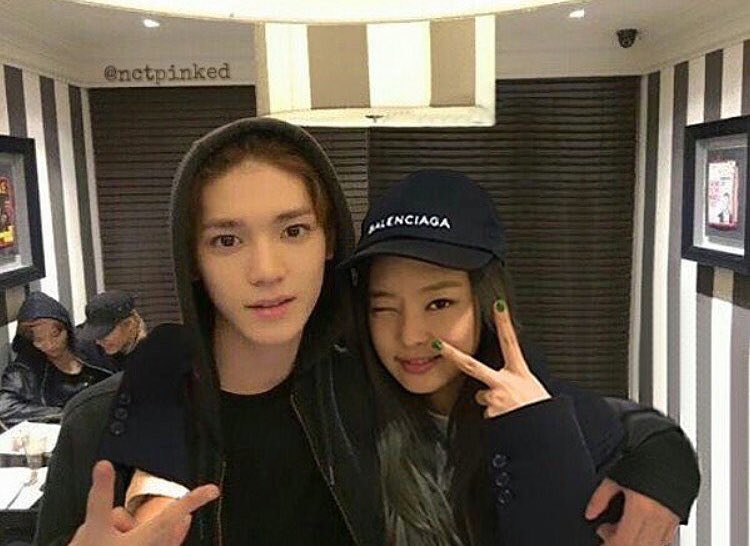
Websites like fan-hosted forums, blogs, Reddit, Tumblr, Facebook, Twitter, Instagram, and Tiktok on the Western front, Korean communities such as Naver, DCInside, Pann, TheQoo, and Instiz and messaging apps like KakaoTalk, Line, and Telegram provide an environment for fans, making it easier for them to cultivate communities that provide information and an atmosphere of togetherness. These websites feature fan-made content including photoedited photo of NCT Taeyong nd BlackPink Jennie and video edits, discussion posts and polls, and distribution of idol-related information like schedules and television appearances. Added into the mix is paid services like WeVerse and Bubble, where fans can ‘experience’ messaging with their ‘ultimate bias’, receiving chats, audios, pictures and videos for a monthly fee. This further perpetuates the intimate (seemingly both platonic and romantic) relationship vibe that Kpop companies strive to achieve.
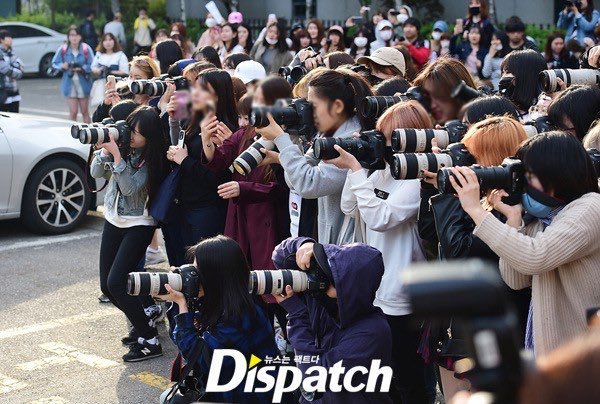
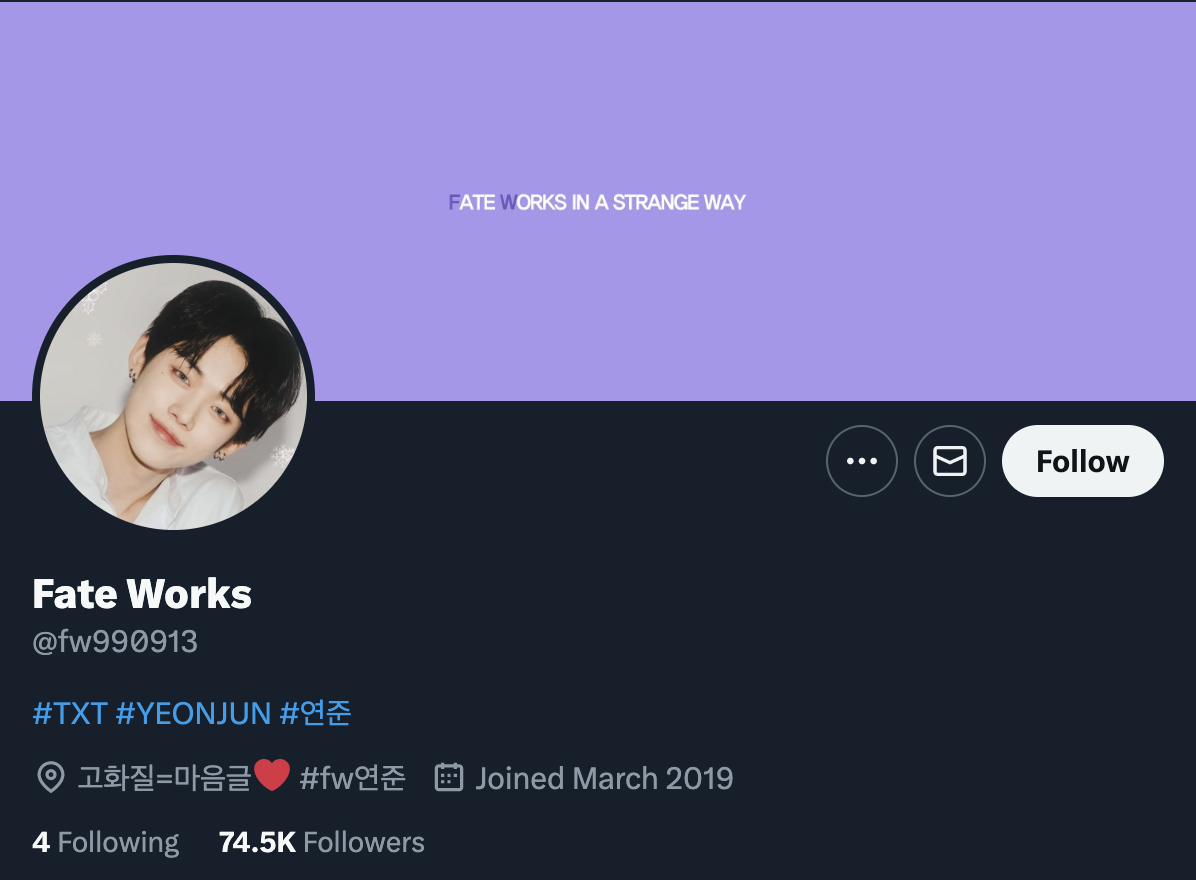
Additionally, the existence of fansites— a concept mostly unique to Kpop— can be found majorly on Twitter and Naver blogs, but sometimes on Instagram, too. Fansitesfansites are run by fans of specific members, sharing photos and videos taken with expensive DSLRs, and their Twitter and Instagram accounts sometimes garner thousands of fanstwitter fansite followers . Fansites also emanate the impression that they’ve veterans and somewhat ‘all-knowing’ amongst fans; they’re privy to information before it is released, including idol schedules and appearances, they seem to be at every public— and sometimes private— event, and they have an endless stream of money to accommodate this lifestyle. Fansites may even create and sell merch, a separate entity from official merchandise, comprised of their photos in the form of photocards, photo books, postcards and the like; items like fans, keychains, phone cases, etc featuring photos or drawings of the idol; some even go as far as making dolls with changeable clothingJimin plush doll . With that being said, in recent years, fansites have caught some flack for exhibiting what is often interpreted as sasaeng/사생팬 behaviors.
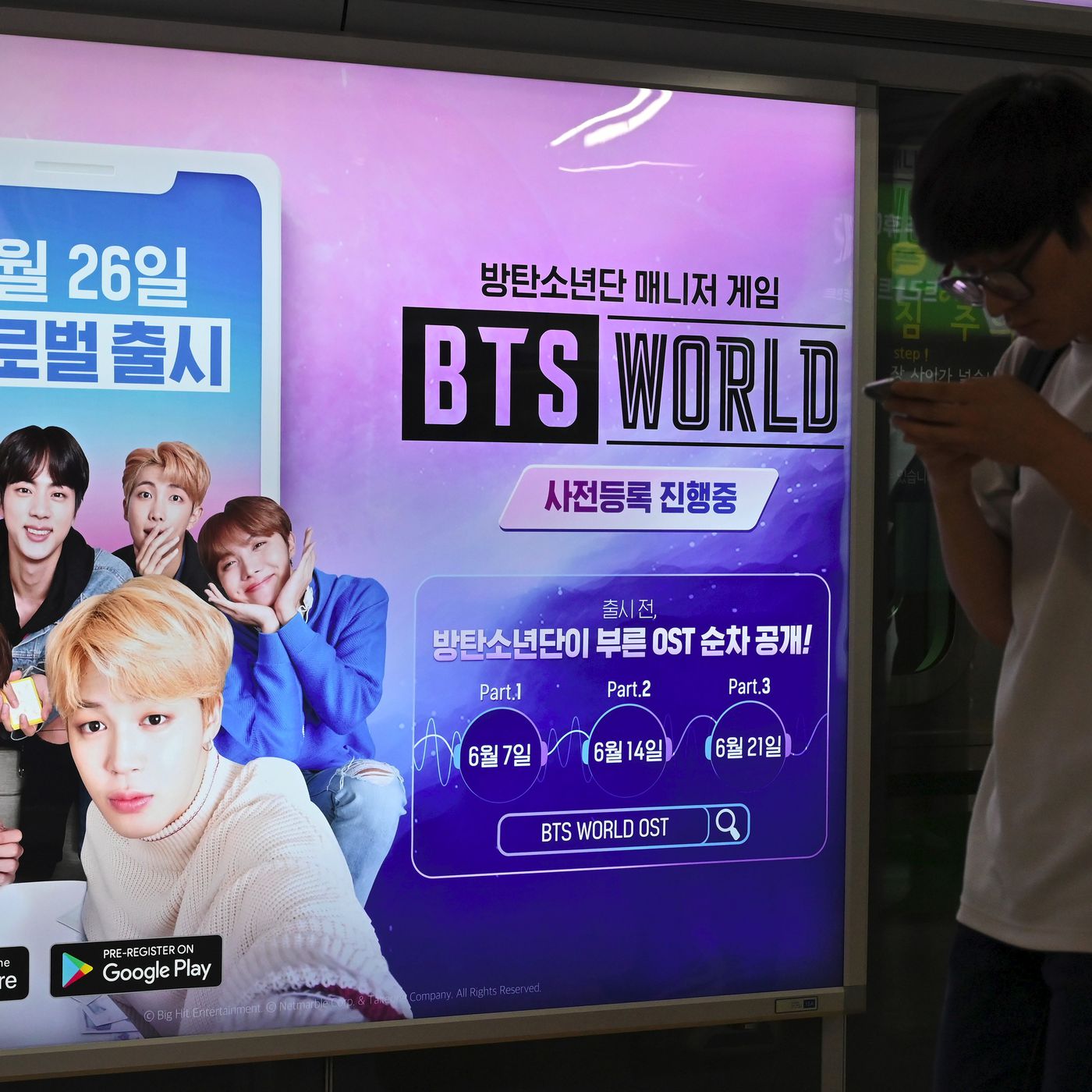
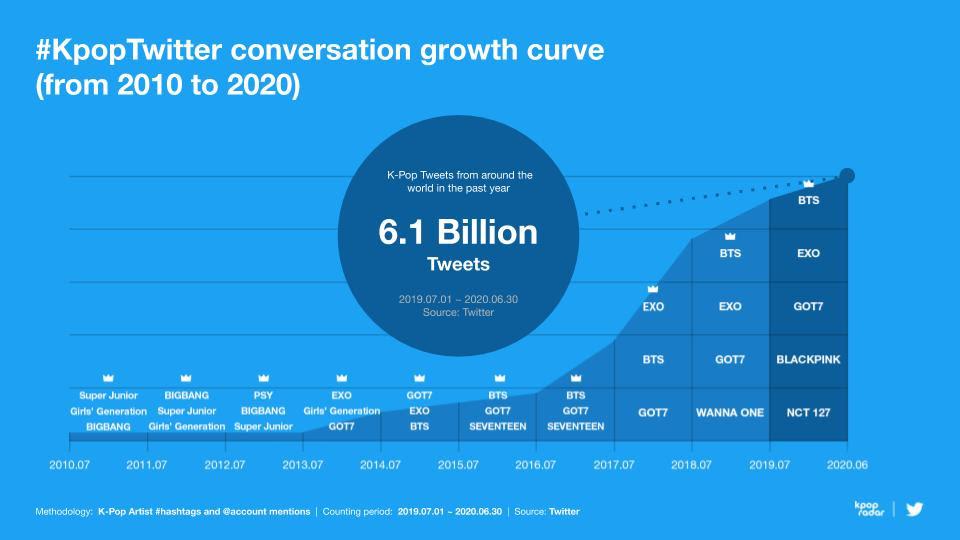
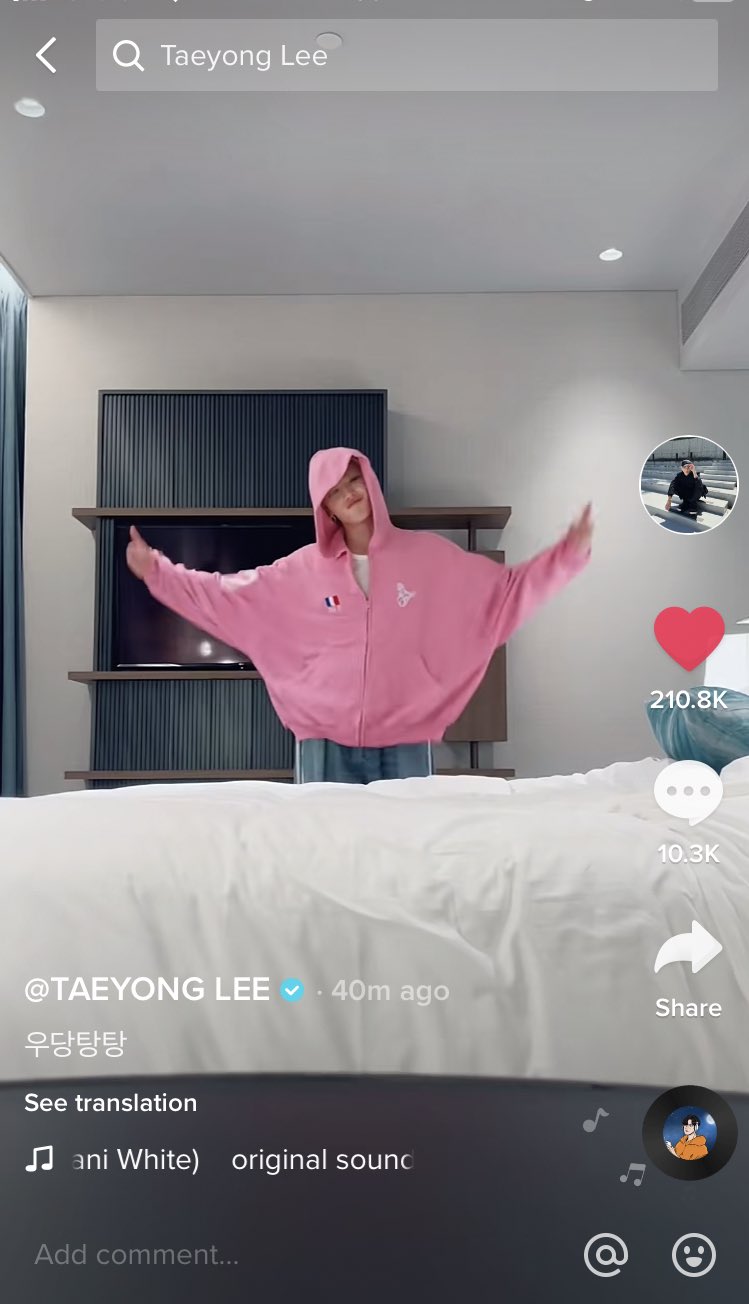
Amongst Kpop fans, websites like Tumblr and Facebook were a hub for communities looking to share content, but somewhere along the lines, these sites experienced a ‘downfall’, so to speak, being left behind like ghost towns. As of August 2022, there has been a 25% decrease of monthly active Korean users on Facebook. Younger generations (born between the years of 1980 and the early 2000s) are seeking more modern applications and websites, like Tiktok, meaning the remaining users are aged around their 40s and 50s9. Like Facebook, the microblogging platform, Tumblr, has experienced an egress of users. This is largely explained with the website’s acquisition by Yahoo!, instigating their decline as websites like Twitter moved forward, innovation-wise10. Yahoo! subsequently sold their ownership to Verizon in 2017. Fan communities left in droves as Verizon began implementing censorship rules that left many blogs out of commission, with 30% of its user base leaving the platform within weeks of Verizon taking over11 . Of course, Verizon did not stick around to watch the fire it started, and sold the website to Wordpress within a handful of months. Nevertheless, Wordpress kept the rule that sent users away. Contrarily, the platforms Twitter and Tiktok have become a hub for Kpop fans, even though the latter also prohibits adult content. Between the years of 2019 and 2020, there were “over 6.1 billion conversations about Kpop in that time, engagement’s only growing on Twitter” 12, proving its importance to Kpop fans as means of conversationtwitter infographic with not only other fans, but with their actual idols on their official (often company-led group) accounts. Similarly, Tiktok showed similar success with Kpop content being shared “to more than 97 million in September 2021”13 and idols making more and more personal accountsNCT Taeyong Tiktok account to share their own contents.
The Positives and Negatives of Parasocial Interactions

Parasocial relationships are often perceived as negative, and while this is largely true, there are positives that should be considered, in an attempt to not invalidate fan-idol interactions. In addition, are idols complicit in feeding into the parasocial mindset and how do these relationships impact the idols at hand?

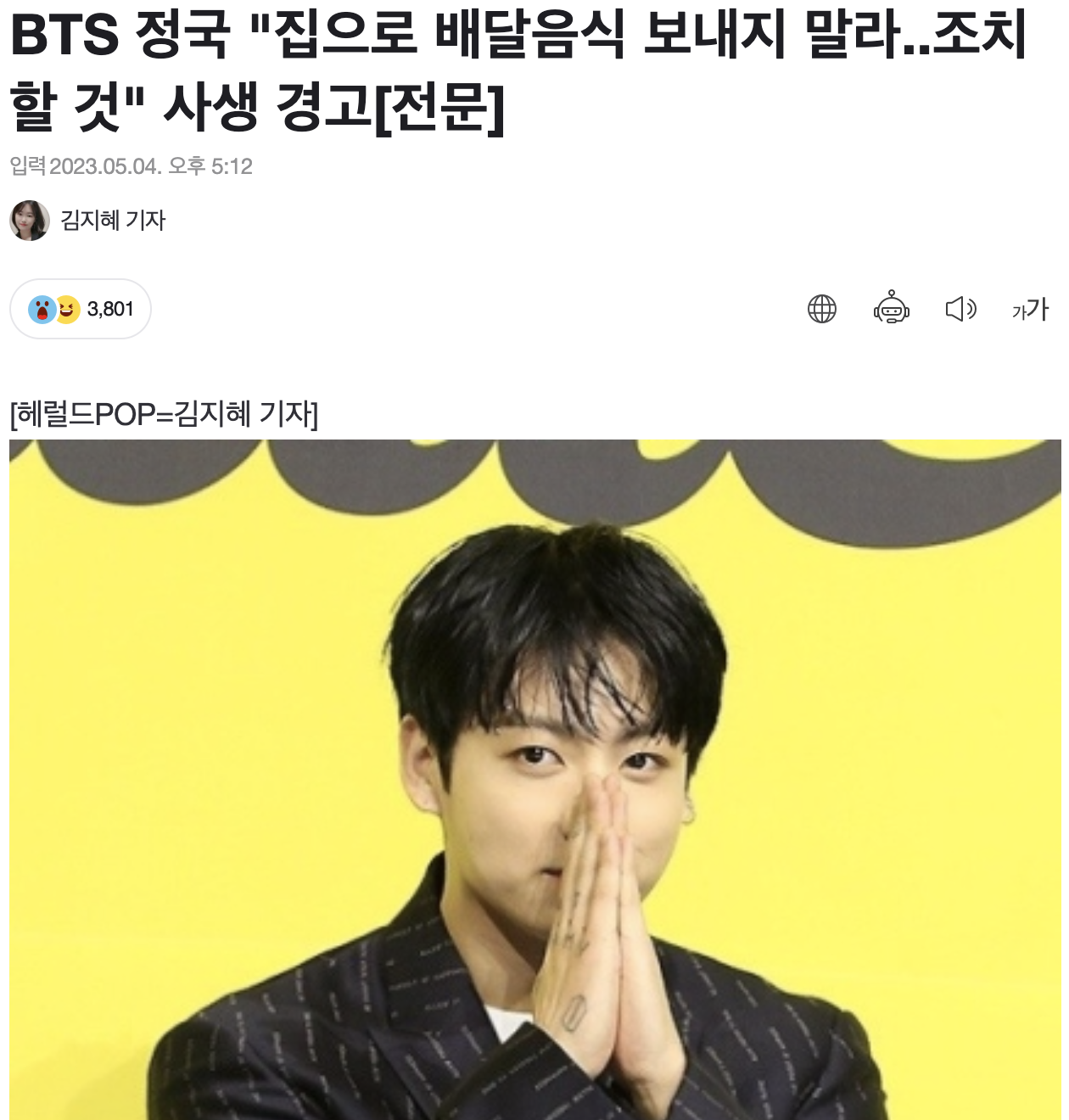
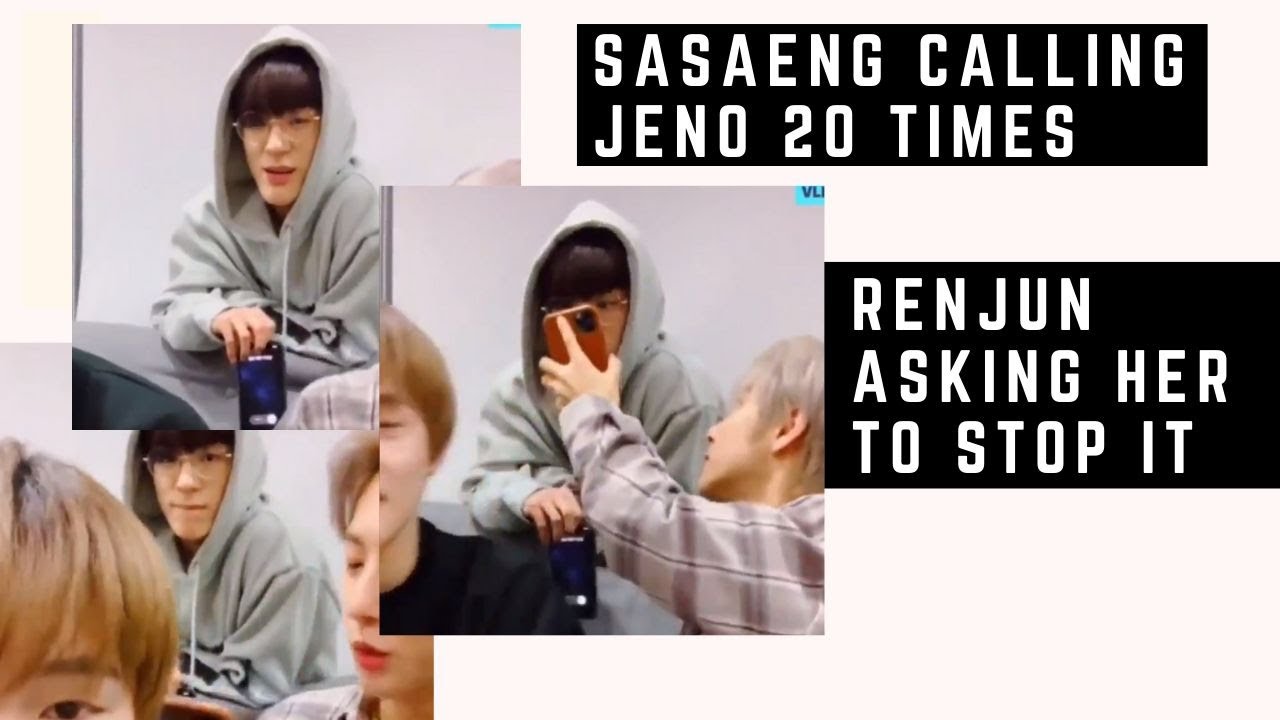
Parasocial relationships are often brought up online as an ad hominem rebuttal, as means of silencing Kpop fans during petty squabbles. Still, there are multiple negative aspects to consider. Fans run the risk of social isolation when they devote more time and energy to the parasocial relationship with their idol, neglecting real-life relationships, responsibilities and activities6. Further, they can manifest unrealistic expectations of the idol and of themselves, resulting in disappointment and disillusionment when they realize that their purported relationship is one-sided. The delusion may also shatter when it is revealed their idol is dating, which often results in fans "leaving" the fandom as they feel betrayed by their idol. Or, they may undergo drastic actions in order to meet self-proposed ideologies of what their idol would like6. Idol 'ideal types' often feed into the latter. Fans will often treat their idols as saviors, so to speak, they become emotionally dependent on them; seeking them out for comfort and validation instead of developing healthier coping mechanisms. Lastly, in more severe cases, these parasocial interactions can lead to instances of stalking and harassment, which can be evidenced by idols like BTS' JungkookJungkook legal action , NCT Dream's JenoJeno repeated phone calls and Twice's NayeonNaeyeon's stalker . Parasocial relationships can reinforce stereotypes and biases, as fans may develop relationships based on superficial characteristics like race and gender, rather than the actual personality of the idol. On the idol's side, parasocial relationships are often built on exploitation: idol companies and subsequently, idols themselves, take advantage of their fans by exploiting their parasocial relationships for financial gain, such as by promoting products, charging for access to exclusive content, and perpetuating this belief with statements like "the fans are my girlfriends". This leads to a loss of privacy, which generally results in negative consequences for their mental health and legal action.

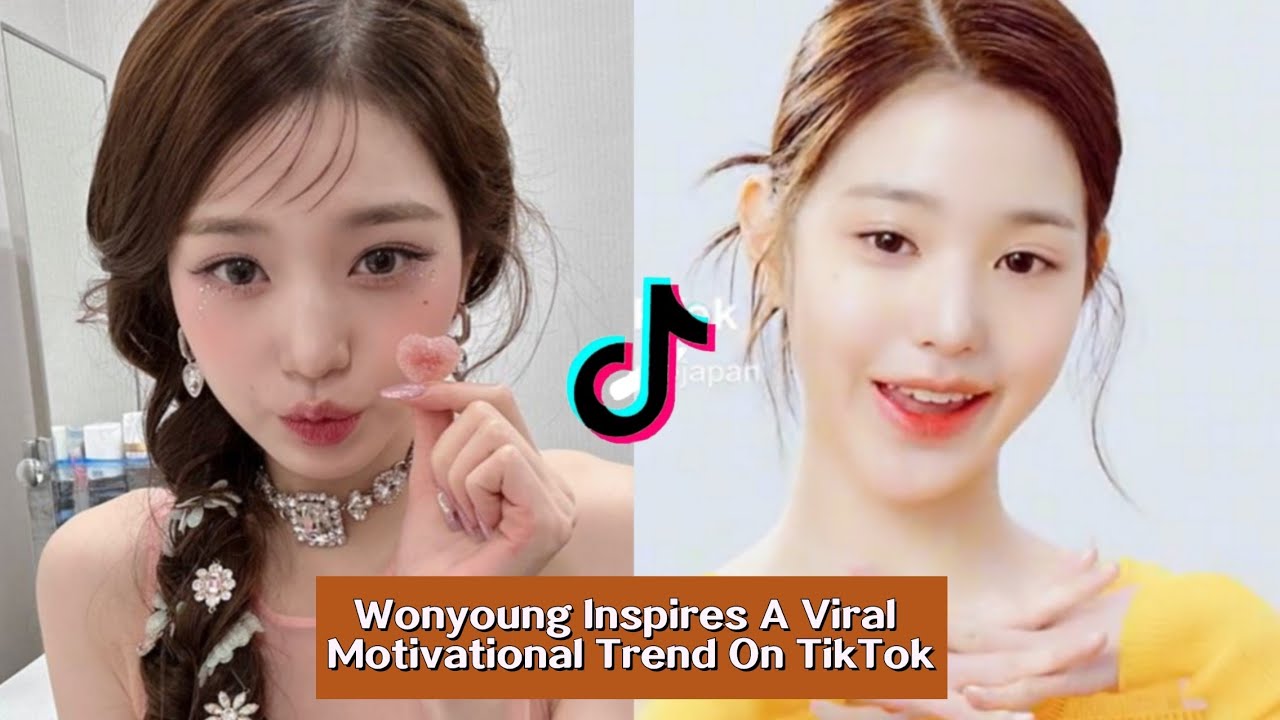
With that being said, there are also several positive aspects to parasocial interactions. They can often provide a sense of connection to fans who may feel isolated or lonely, for example, during Covid where quarantines were mandated across the world. They can also provide a source of entertainment and enjoyment, giving fans a distraction from their everyday lives and giving them something to look forward to. When consumed in a healthy manner, Kpop can serve as a source of inspiration for fans, motivating them to achieve their goals or make positive changes in their livesWonyoung tiktok trend . Furthermore, they often inspire fans to seek information about a wide range of topics, from current events to personal interests, helping them to expand their knowledge and interests. Entering the Kpop fandom typically means joining the trending social media platforms, where fans can provide each other with a form of social support around their idol, especially for those who may not have a strong support network in their real lives. Of course, parasocial relationships can also help fans develop a sense of identity and belonging.

Consumerism and Corporate Greed

Companies’ corporate greed and capitalism may be at the heart of parasocial relationships in Kpop, with idol companies seemingly putting their employees at risk for profit.

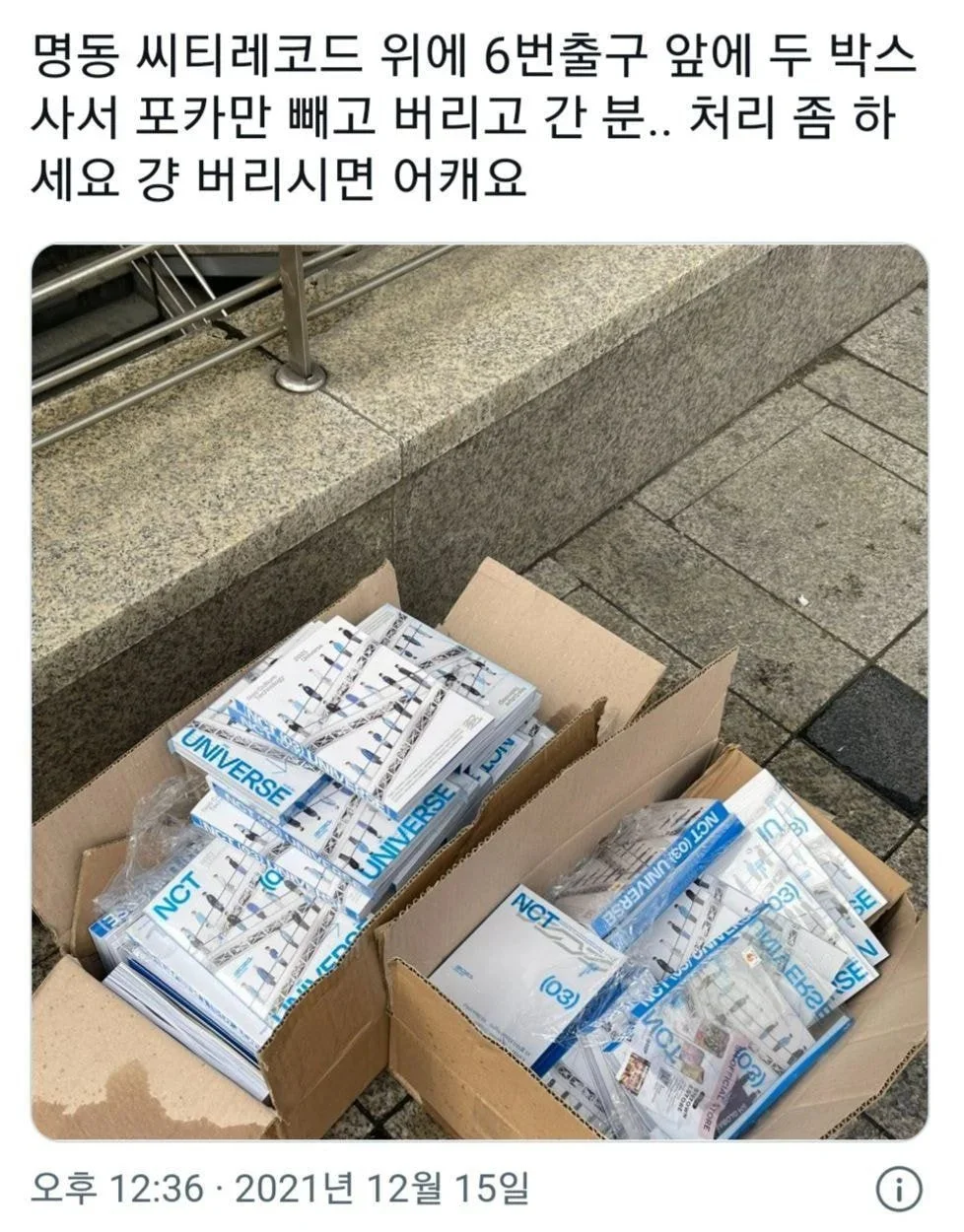
It can be inferred that idol companies are at the heart of parasocial interactions between Kpop artists and fans. Idol companies have been known to encourage parasocial relationships between their artists and fans, as it can lead to increased popularity, revenue, and fan loyalty. However, these relationships can also put their employees at risk. Companies often promote idealized images of idols, intense fan interactions, and exclusive fan merchandise in pursuit of profit. Companies often encourage their artists to engage with fans through social media, fan meetings, and concerts. This can create a sense of intimacy and emotional attachment between the artist and fan, leading to parasocial relationships. Consequently, this level of fan interaction can also put the artist at risk of invasion of privacy, harassment, and physical harm. Furthermore, promoting the idealized image of an idol can create unrealistic expectations from fans and the pressure to maintain this image can also put the artist's mental health at risk. Finally, the release of "exclusive" content and merchandise, such as posters, albums, and clothing, can reinforce parasocial relationships, as fans may feel a sense of ownership over the artist or the merchandise. Releasing multiple versions of albums also often leads to overbuying and subsequent waste of albumsalbums overbought and dumped all for the sake of tokenizing idols' successes.

Conclusion

In conclusion, parasocial relationships in Kpop have become a pervasive and concerning trend.

The inability to differentiate Kpop idols from human beings has led to the development of intense emotional connections between fans and idols, leading to parasocial relationships. Fans often idealize Kpop idols. This phenomenon has significant negative consequences for both fans and idols, including the erosion of personal boundaries, the potential for mental health issues, obsessive behavior, and in extreme cases, stalking and harassment. It is essential for fans and Kpop companies to recognize the risks associated with parasocial relationships and to promote healthy fan behavior, including respect for idols' personal lives and mental and physical well-being. By recognizing the humanity of Kpop idols and fostering healthy boundaries and relationships, fans can enjoy Kpop music and culture while respecting the dignity and privacy of Kpop idols as human beings.


Works Cited